
Call us now :08045811799
 Send Inquiry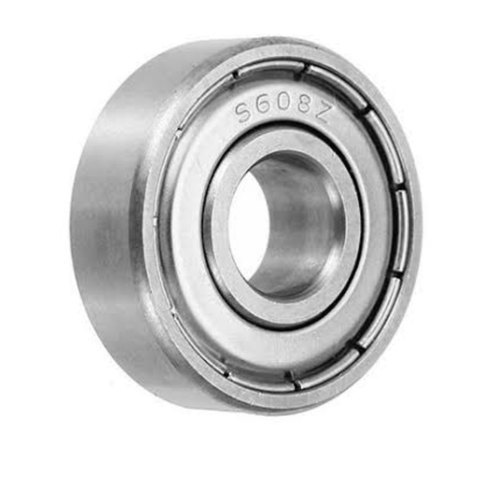


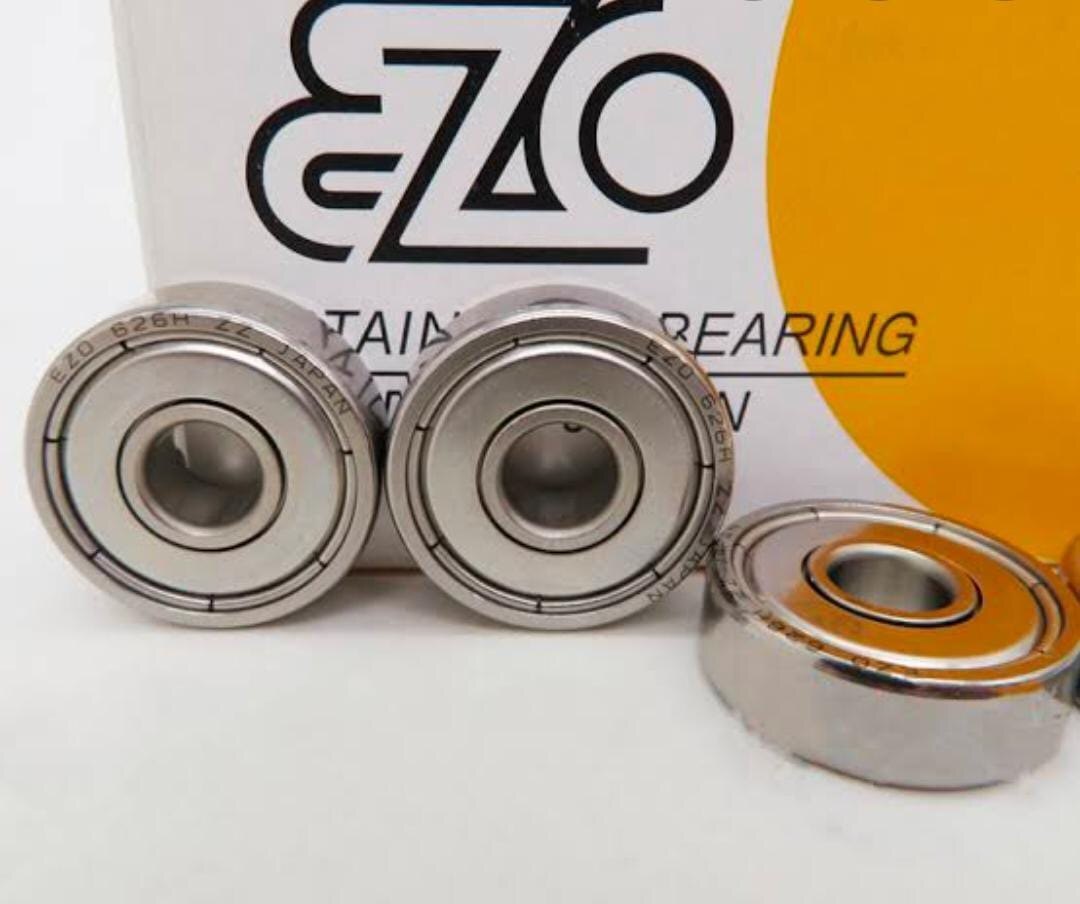
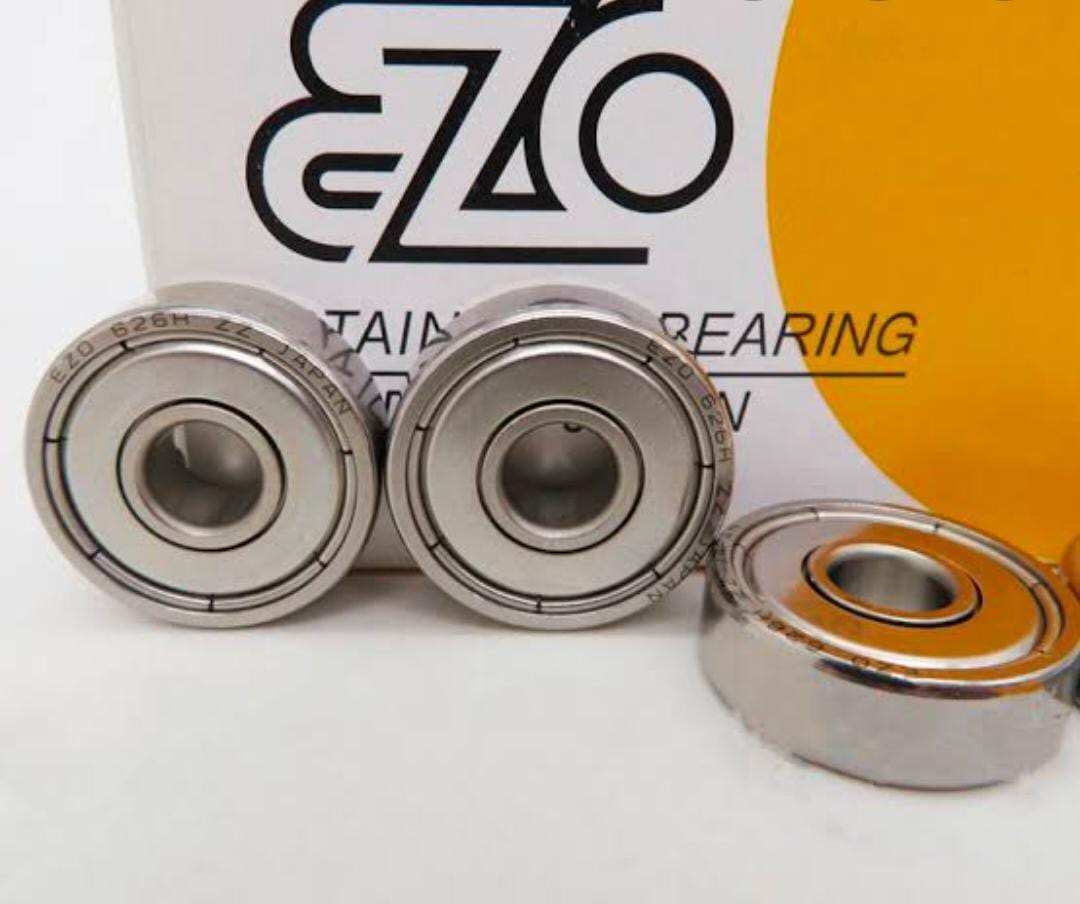
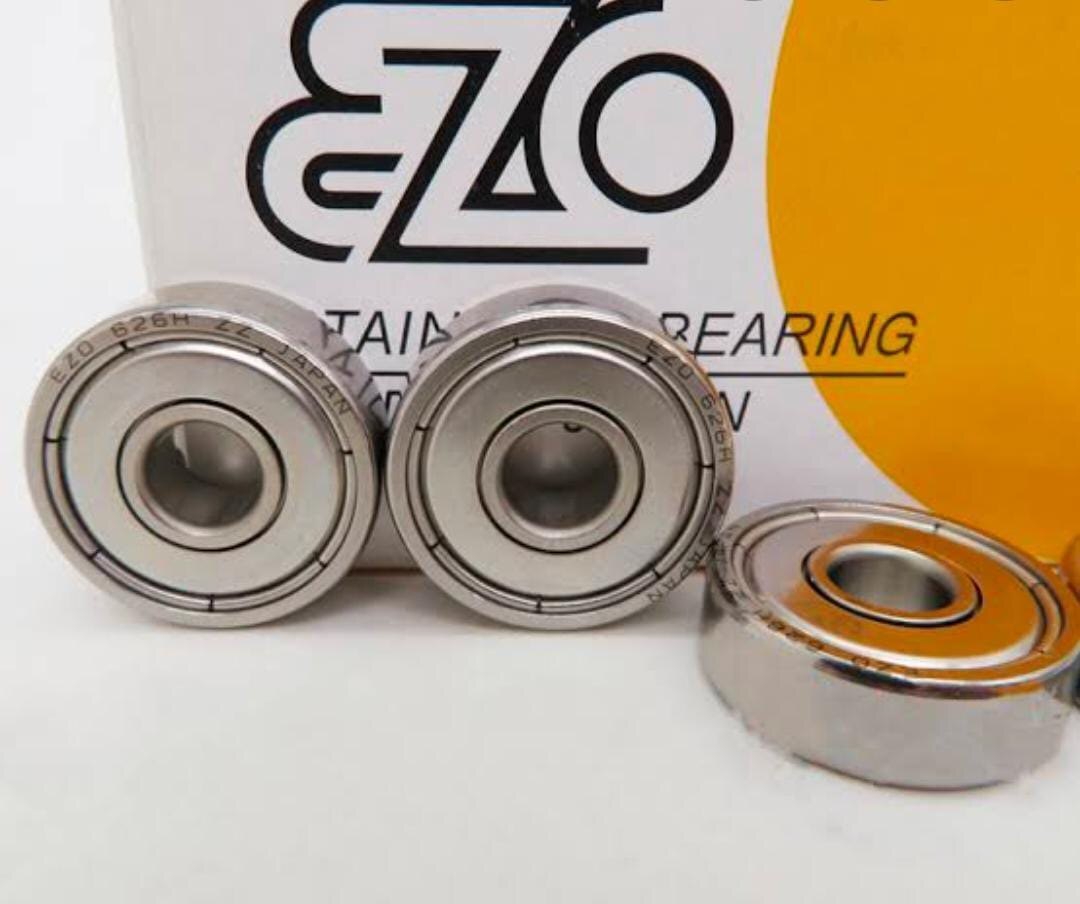
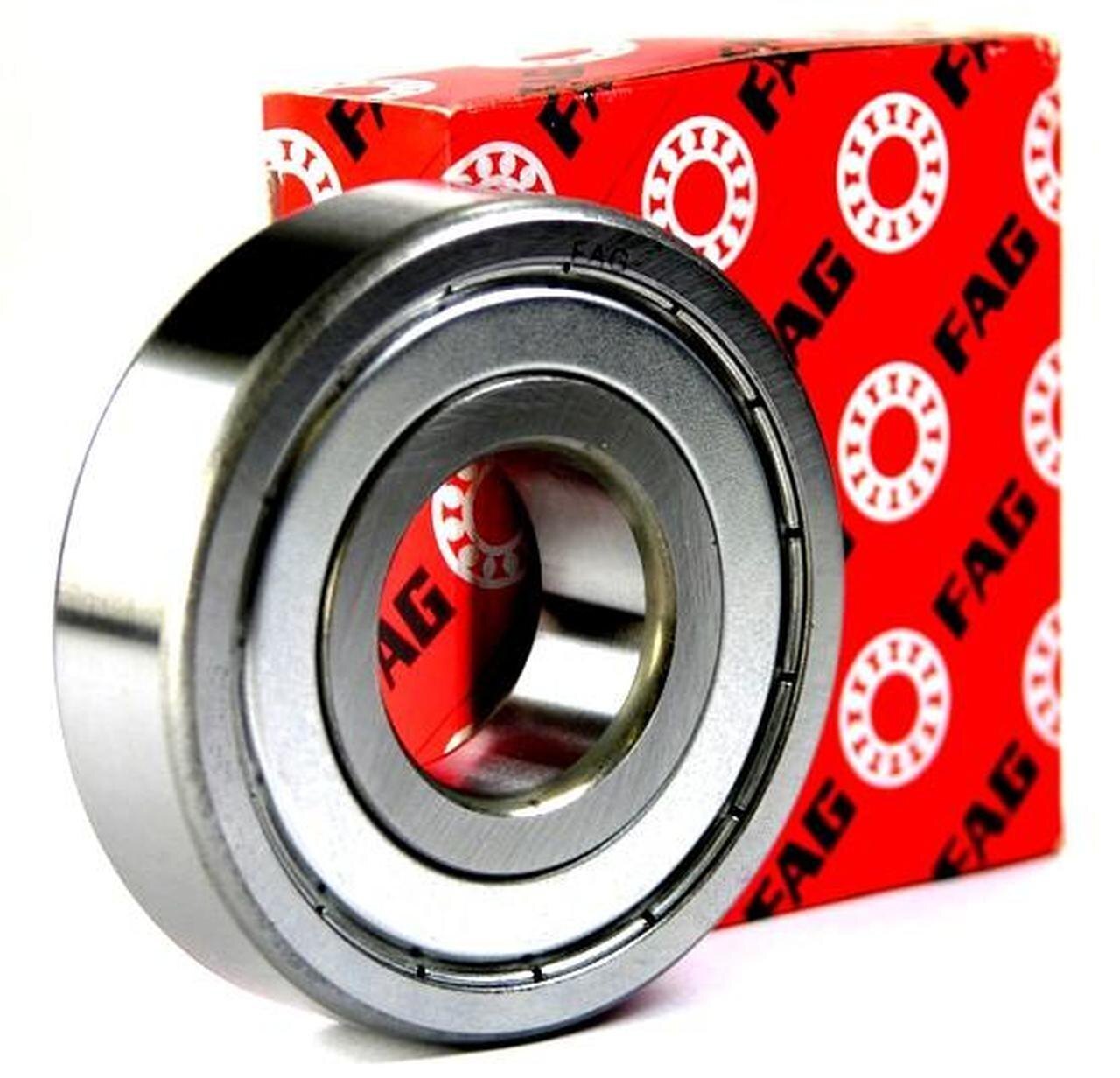
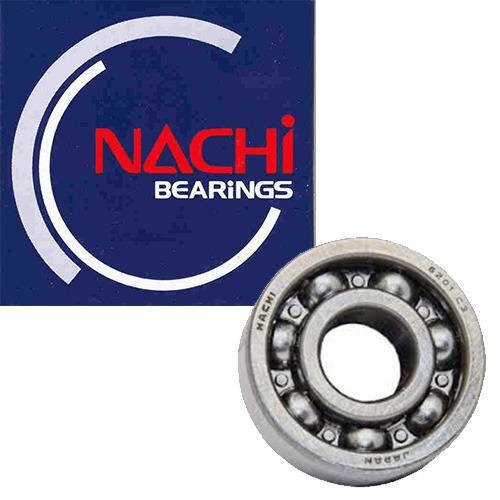
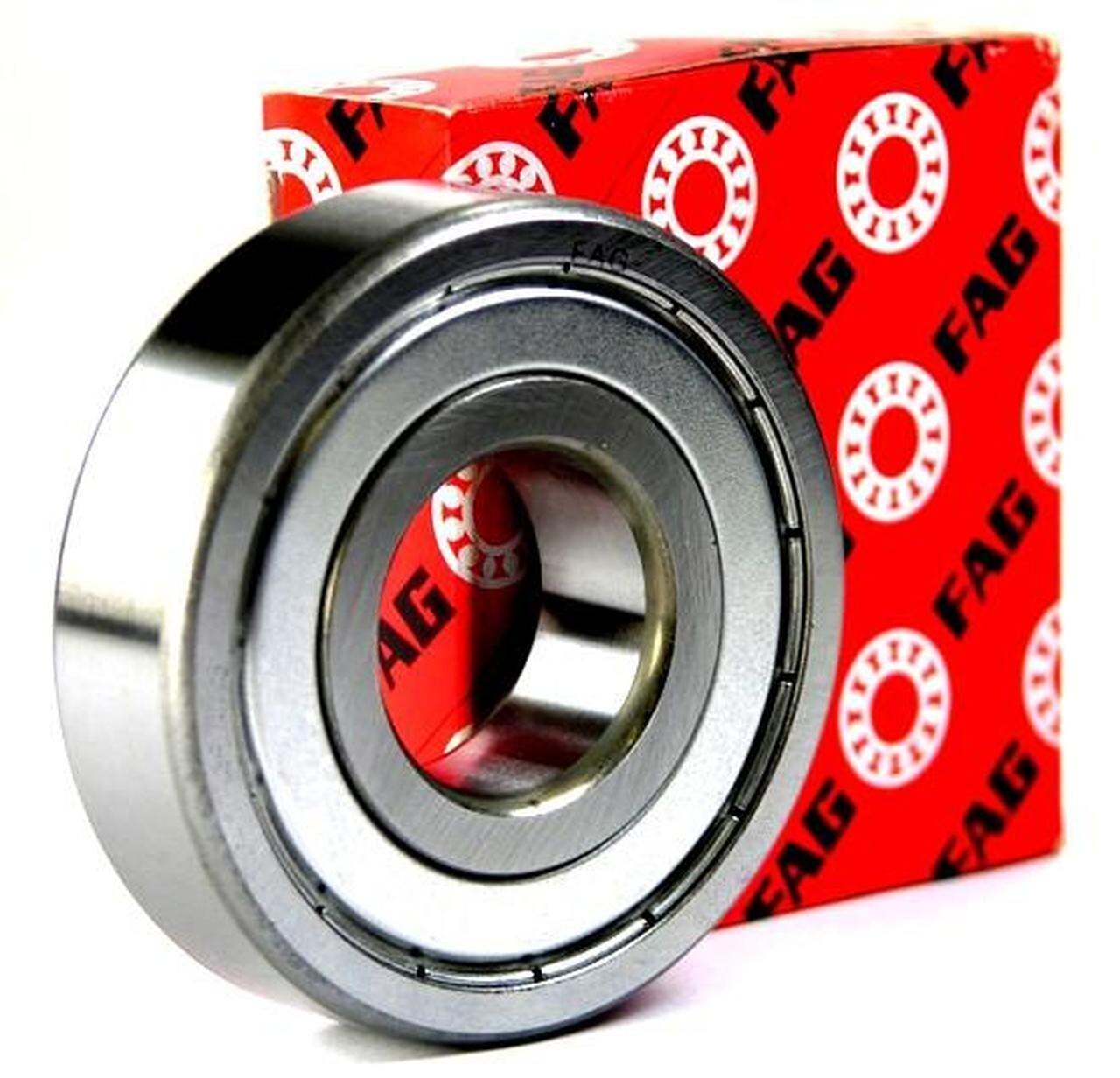
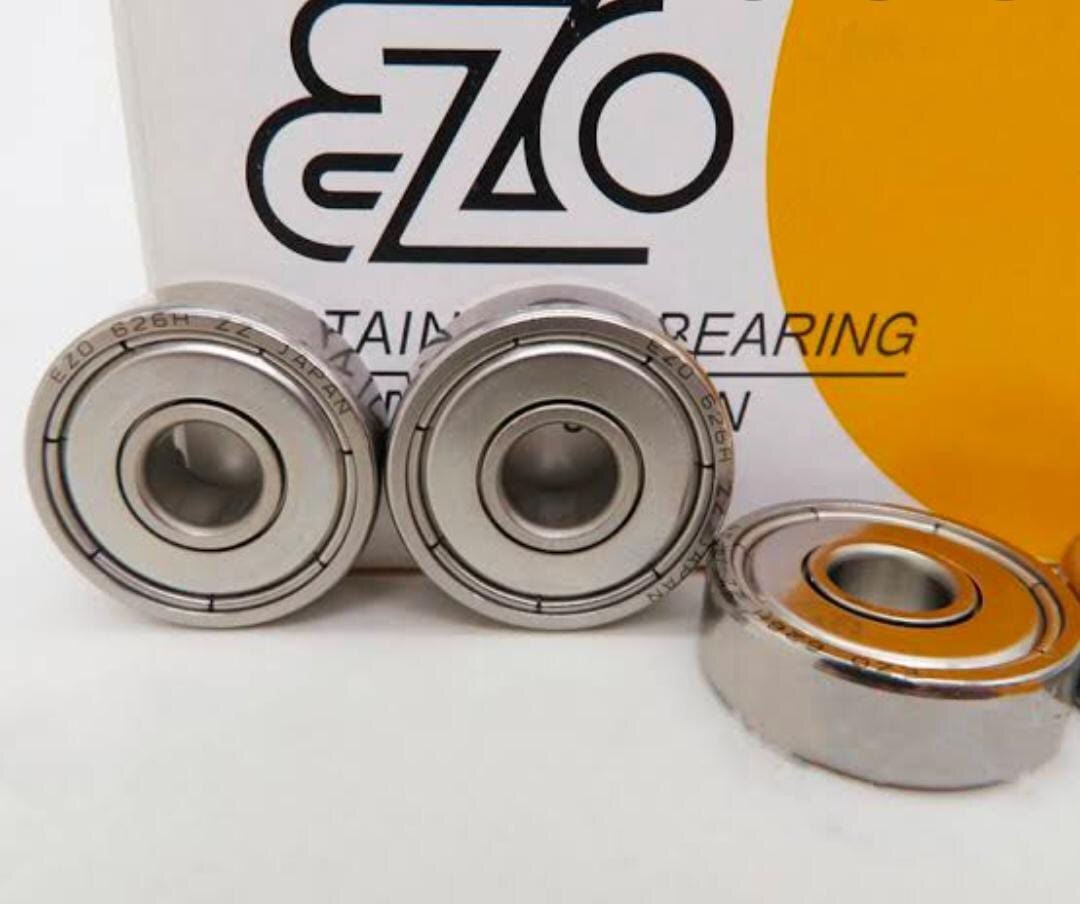
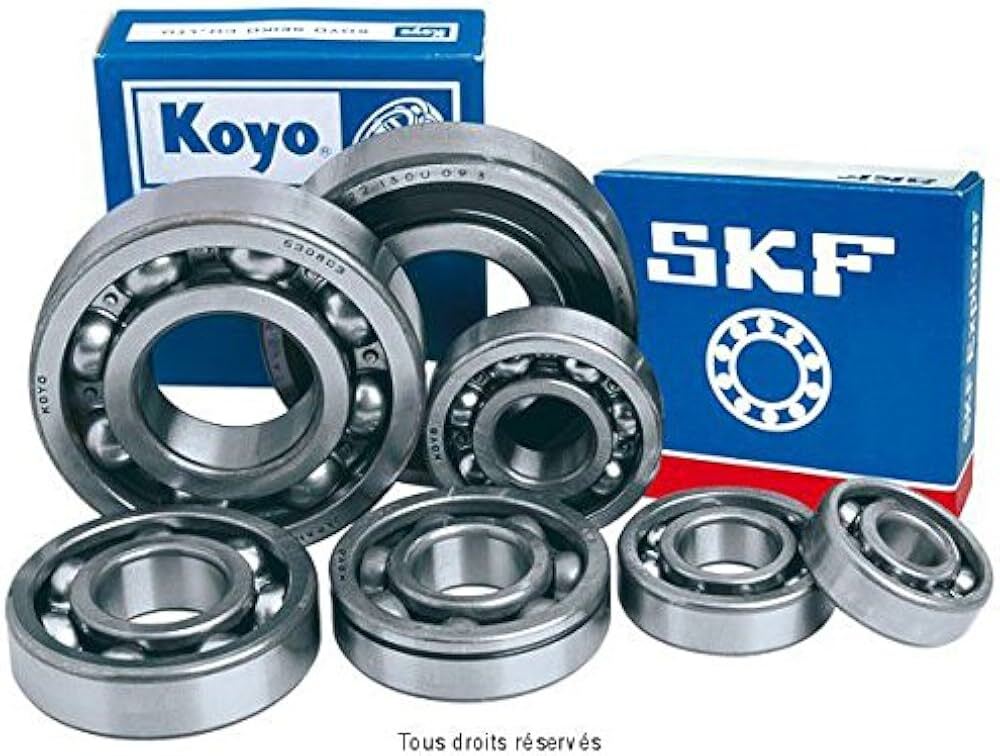
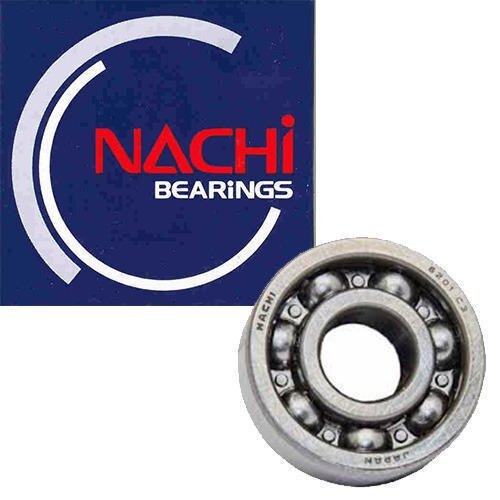
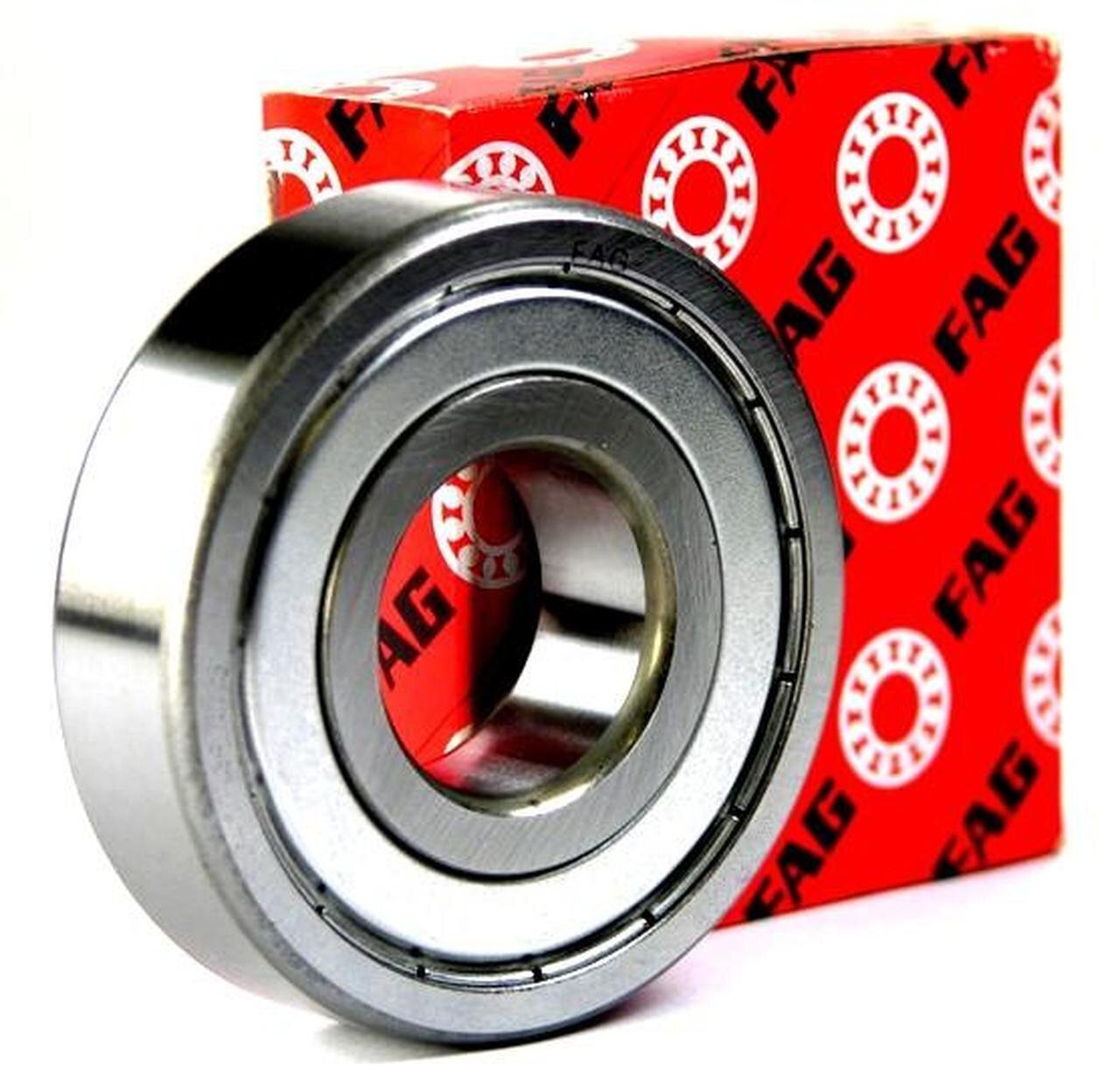
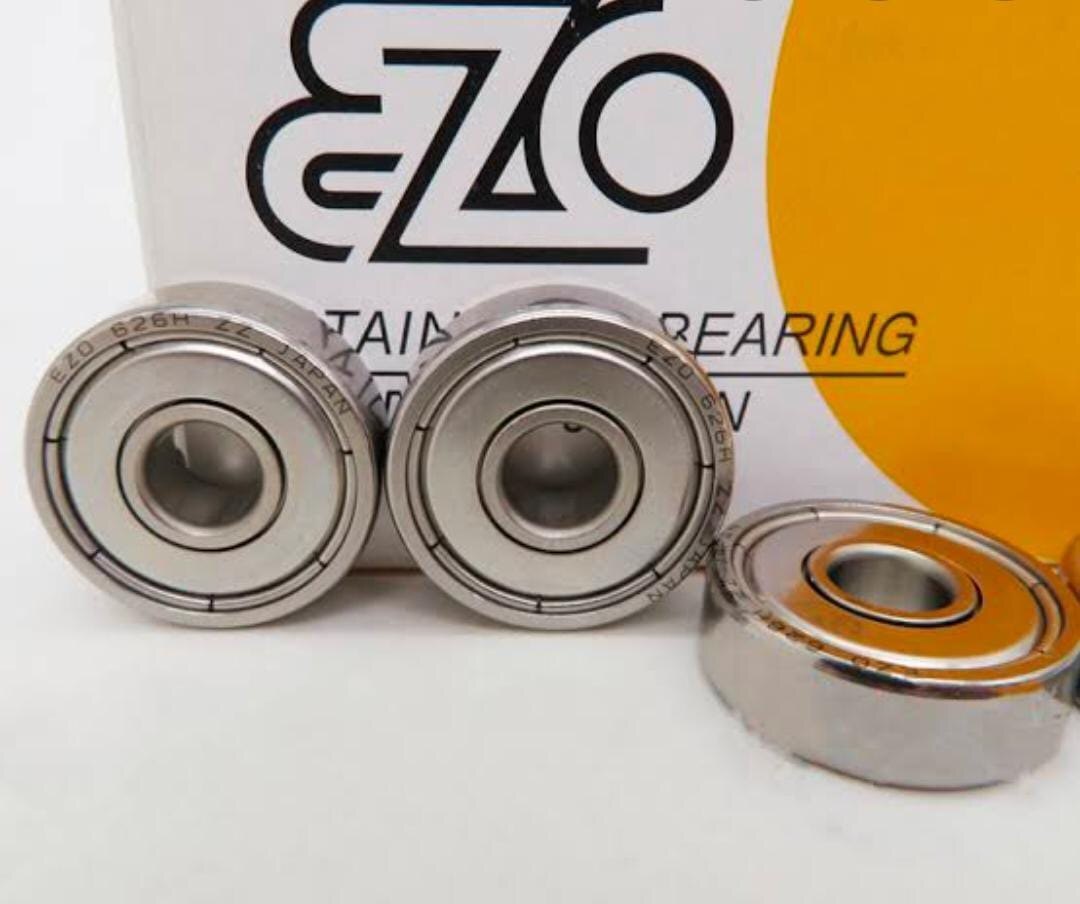
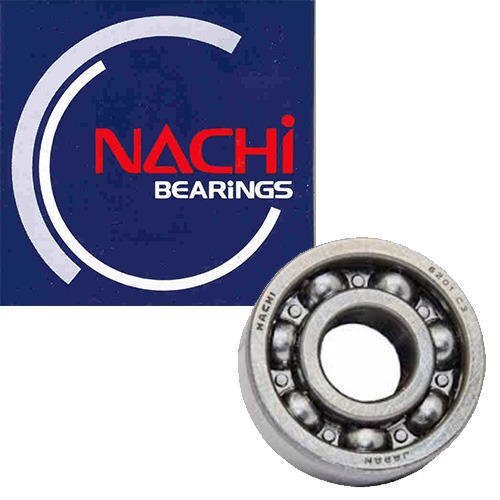
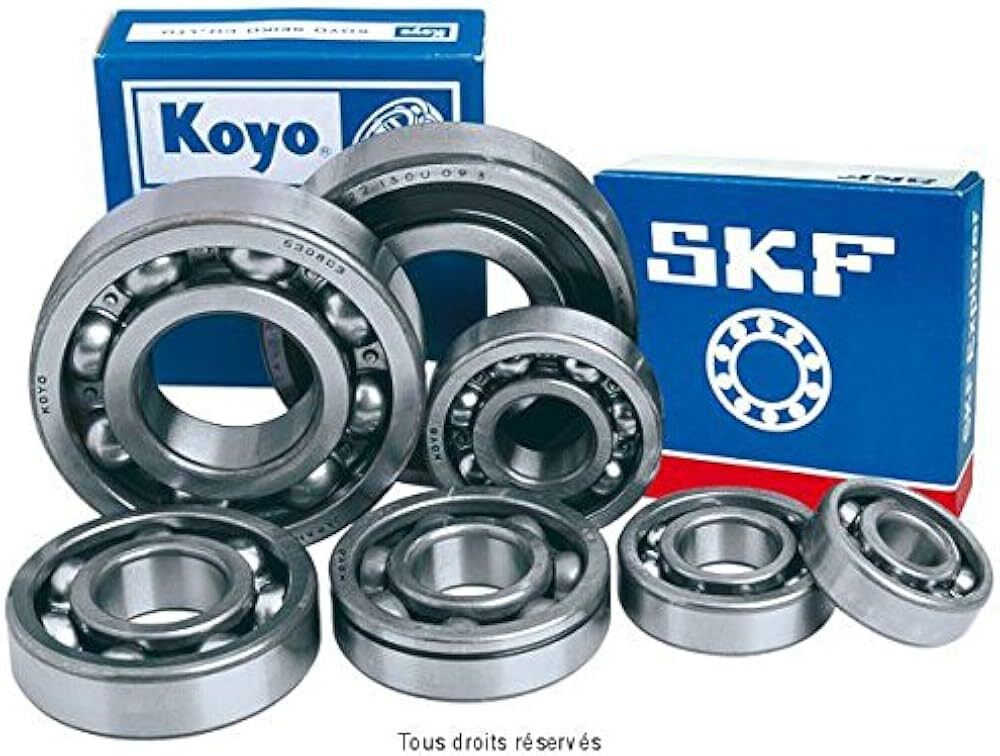


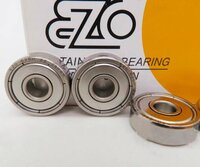
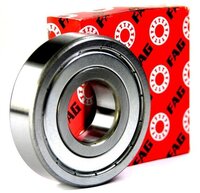
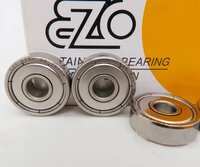
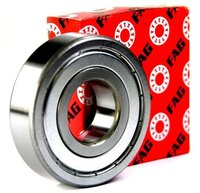
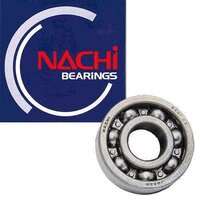
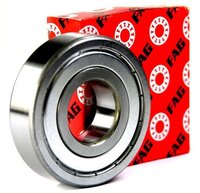
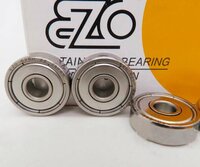
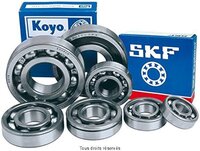
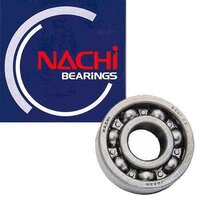
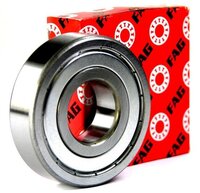
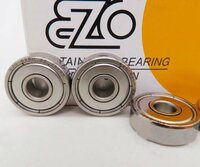
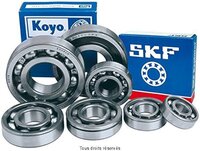
Stainless Steel Ball Bearings
80.0 INR/Piece
Product Details:
- Inside Diameter 10 mm
- Cage Material Stainless Steel
- Lubrication Type Grease
- Retainer Steel
- Thickness 9 mm
- Precision Rating P6
- Bearing Type Ball Bearing
- Click to View more
X
Stainless Steel Ball Bearings Price And Quantity
- 1000 Piece
- 80.0 INR/Piece
Stainless Steel Ball Bearings Product Specifications
- P6
- Deep Groove
- Steel
- Single Row
- 9 mm
- 30 mm
- Ceramic
- Double Sealed
- Stainless Steel
- Grease
- Standard
- 10 mm
- Ball Bearing
- 10 mm
- 15000 RPM
- Low
- Round
- 1520 N
- -40C to 180C
- Polished
- Yes
- Automotive, Industrial Machinery
- 2600 N
Stainless Steel Ball Bearings Trade Information
- 1000 Piece Per Week
- 1 Week
- All India
Product Description
Being one of the famous manufacturers, suppliers of Stainless Steel Ball Bearings, we always strive to provide our customers with best quality products. In order to fulfill variegated demands of our valuable clients, these ball bearings are made available in customized options. Due to their remarkable features such as rust resistant and robust construction, these products are highly demanded in the market. These Stainless Steel Ball Bearings are used in below mentioned equipment Machine tool spindle, High frequency motor, Gas turbine and centrifugal separator.
Product Details
|
Structure |
Ball Bearing |
|
Type of Bearing |
Stainless Steel Ball Bearing |
|
Bearing Number |
S 608 ZZ, S 6000 Zz, S 6202 -2rs, S 6303 Zz |
|
Weight |
100gm |
|
Size |
5mm Onwards |
|
Dimension |
5mm To 100 Mm |
|
Usage/Application |
Water Base & Chemical Base Industries |
|
Part Number |
SS |
|
Number Of Rows |
Single Row |
|
Material |
Stainless Steel |
|
Brand |
Ezo , Kyl |
Precision Designed for Versatile Applications
These deep groove, single row ball bearings are engineered to meet diverse requirements in automotive and industrial machinery sectors. Their polished finish and ceramic ball construction ensure smooth operation and high resistance to corrosion. Suitable for environments with temperature variations, these bearings uphold efficiency, reliability, and performance standards for demanding tasks.
Enhance Equipment Longevity and Performance
Double sealed and lubricated with grease, these bearings effectively prevent contaminants from entering, extending the service life of both the bearing and connected equipment. The use of a stainless steel cage and ceramic balls ensures optimal load distribution, low noise, and high-speed capabilities, making them ideal for machinery exposed to harsh operational conditions.
FAQs of Stainless Steel Ball Bearings:
Q: How do the double sealed design and ceramic material contribute to corrosion resistance in these ball bearings?
A: The double sealed design prevents ingress of dust, moisture, and contaminants, while the ceramic material inherently resists rust and chemical deterioration. Together, they enhance the bearings ability to operate reliably in corrosive automotive and industrial environments.Q: What is the recommended operating temperature range for these stainless steel ball bearings?
A: These bearings are engineered to perform efficiently between -40C to 180C, making them suitable for both high and low temperature conditions commonly encountered in automotive and industrial machinery.Q: When should I choose these polished, deep groove ball bearings over other types?
A: Opt for these bearings when a combination of low noise, high speed (up to 15,000 RPM), corrosion resistance, and moderate load capacity is requiredespecially in applications like precision machinery and automotive components exposed to variable conditions.Q: Where in India can I purchase or source these ball bearings?
A: You can obtain these deep groove, single row ball bearings from accredited distributors, service providers, suppliers, and traders across India who specialize in precision industrial components and automotive parts.Q: What steps are involved in the installation process for these single row ball bearings?
A: Begin by ensuring proper alignment of the bearing with the housing and shaft, handle with care to avoid damaging the polished surface, and verify that the seals remain intact during installation. Use recommended grease and avoid excessive force during fitting.Q: How does the precision rating (P6) influence bearing performance in automotive applications?
A: A P6 precision rating signifies tighter dimensional tolerances, which contributes to reduced vibration, lower noise, and enhanced rotational accuracykey factors for optimal performance in automotive and industrial machinery applications.Q: What are the benefits of choosing double sealed ball bearings for industrial use?
A: Double sealed ball bearings offer extended maintenance intervals, superior protection from dust and debris, reduced lubricant leakage, and improved reliability, translating to less downtime and greater equipment durability in industrial settings.Tell us about your requirement

Price:
Quantity
Select Unit
- 50
- 100
- 200
- 250
- 500
- 1000+
Additional detail
Mobile number
Email

Other Products in 'Industrial Bearing' category



 Send Inquiry
Our Products


61/63, Nagdevi Street, 2nd Floor, Office No 6, Majid Bander,Mumbai - 400003, Maharashtra, India

Mr. Jay
(Proprietor)
Mobile :08045811799
 Send Inquiry
 Send SMS
Developed and Managed by Infocom Network Private Limited.
